
+86 22 8774 6926
+86 15822755259
+86 22 8774 6926
+86 15822755259

Selecting an O-ring for industrial equipment is a critical step that affects the efficiency and reliability of the production process. There are many factors to consider when choosing the right rubber O-ring. An incorrectly sized seal can lead to frequent failures, leaks and increased operating costs. Therefore, it is extremely important to approach this issue from a deep technical and practical perspective. Below we will look at the main aspects that you should pay attention to when choosing O-rings for your plant to ensure long service life and reliable operation of all equipment.
When choosing O-rings, material is one of the key factors. Today, there is a wide range of materials that are used to make O-rings. The most common materials include rubber (eg NBR, EPDM, silicone, FKM), PTFE and metal polymers. Each of these materials has unique properties that make them suitable for specific operating conditions. For example, NBR (nitrile) is excellent for use in oil and grease environments, while EPDM is resistant to water and steam. It is important to evaluate under what conditions the rubber O-ring will be used before making a choice of material. This will help avoid premature wear of the product and ensure a long service life.
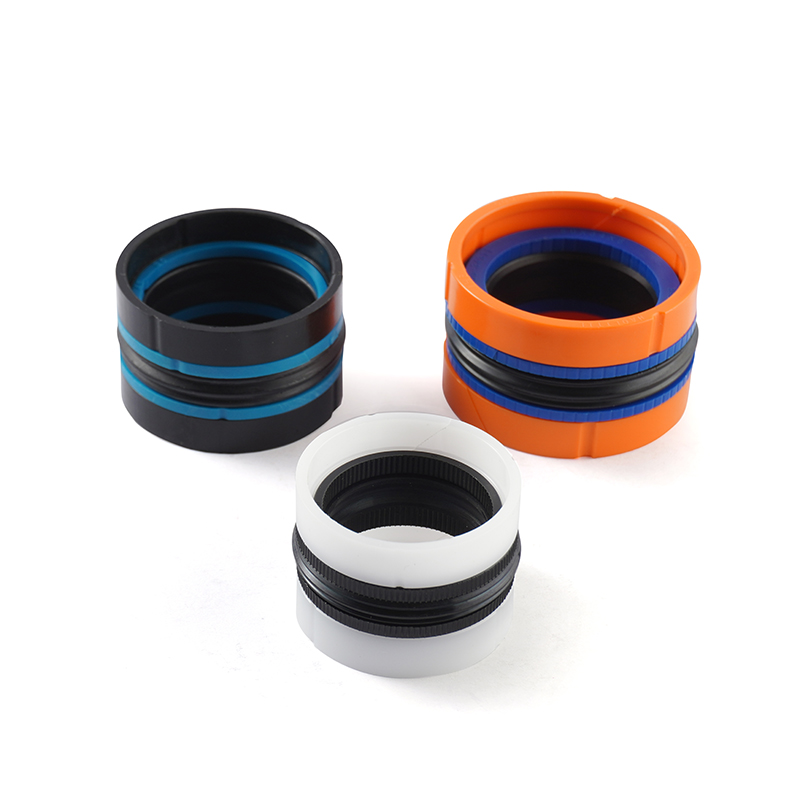
Precise selection of the size and shape of the O-ring also plays a key role in its effectiveness. O-rings must be the exact size of the grooves or joints where they will be installed. Small deviations from the required parameters can lead to loss of tightness and reduced system performance. When choosing a rubber O-ring, it is necessary to take into account not only the internal and external diameters, but also the cross-section of the ring. Experts recommend using specialized calibration tools and following manufacturers' technical recommendations for accurate sizing. Neglecting this step may result in leaks and equipment failure.
The operating conditions under which the O-ring will operate also play an important role in the selection. Temperature range, pressure, presence of chemically active substances or mechanical stress - all this must be taken into account. For example, at high temperatures, standard rubber O-rings may lose their elastic properties and tightness. In such cases, it is better to give preference to fluoroplastic or silicone products that can withstand extreme temperatures. Understanding the operating conditions will help not only select the appropriate material and size, but also predict the service life of the O-ring.
It is also important to take into account the specific requirements that may arise depending on the application of the O-rings. Each type of industry may have its own specific conditions that must be taken into account. In the chemical industry, for example, O-rings must be resistant to aggressive chemicals. In the food industry, materials must be selected that meet sanitary standards. Taking into account the specifics of the application, you can purchase products that will fully meet your needs. Moreover, compliance with all regulations and standards in your industry will avoid many problems with equipment operation.
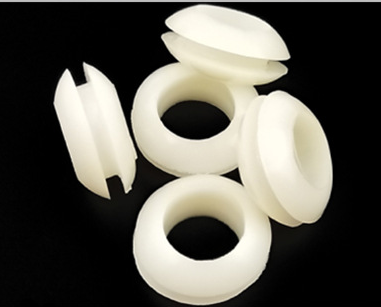
Choosing a reliable manufacturer or supplier of sealing rings is also an important task. Reliable companies offer not only a wide range of products, but also high-quality technical support, including advice on the selection and installation of seals. A supplier's reputation can speak volumes; choosing leading manufacturers such asO-ring rubber sealing ring factory, you minimize the risk of purchasing low-quality products. Pay attention to the availability of certifications and reviews from other clients - this will help you make an informed choice.
Cost is an important factor that cannot be ignored. As in any other industry, quality and price often go hand in hand. However, choosing the cheapest solution can result in significant operating costs in the future. Instead, you should pay attention to the price-quality ratio. Sometimes more expensive solutions, such as fluoroplastic O-rings, can be more cost effective in the long run due to their durability and lower operating costs. Use links to reliable suppliers, such asO-ring rubber sealing ring factoryto gain access to quality products at a fair price.
Thus, when choosing O-rings for your plant, it is important to consider all of the above aspects - from material and operating condition to selecting a reliable supplier and assessing the cost-effectiveness of the chosen solution. Only a comprehensive approach will guarantee that your choice will meet all requirements and ensure reliable and durable operation of the equipment.
Phone:
+86 22 8774 6926
Email:
Address:
5th Floor, Building B, Guangrong Road, Hongqiao Distr., Tianjin, China
Please leave us a message
Please enter your email address and we will respond to your email.
