Replace rubber bushings: improve efficiency
Replacing rubber bushings: increasing efficiency
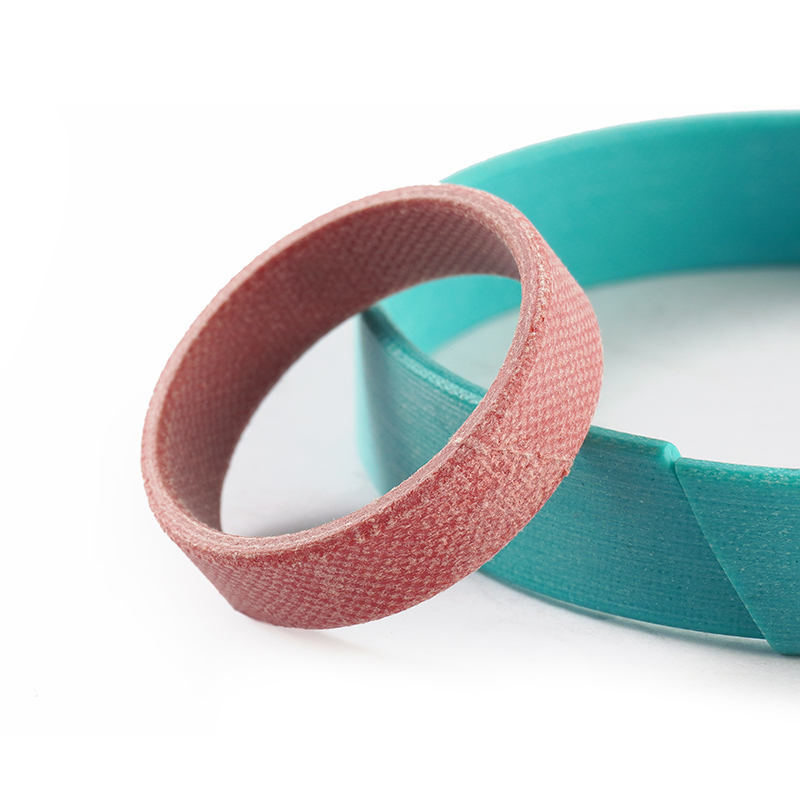
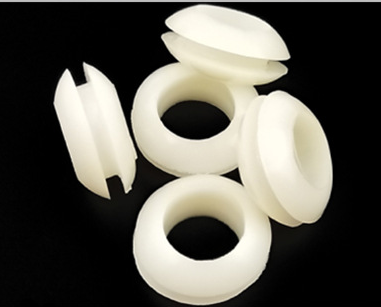
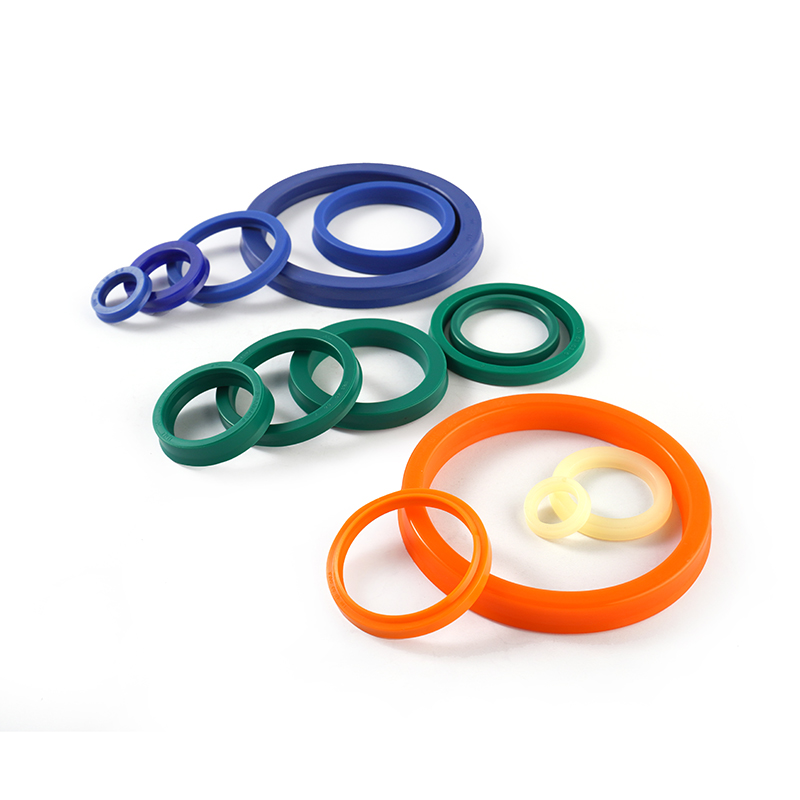
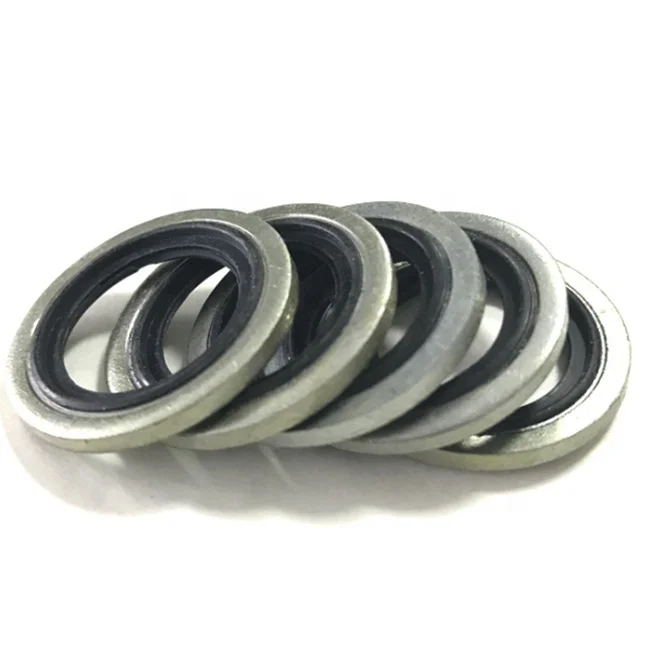
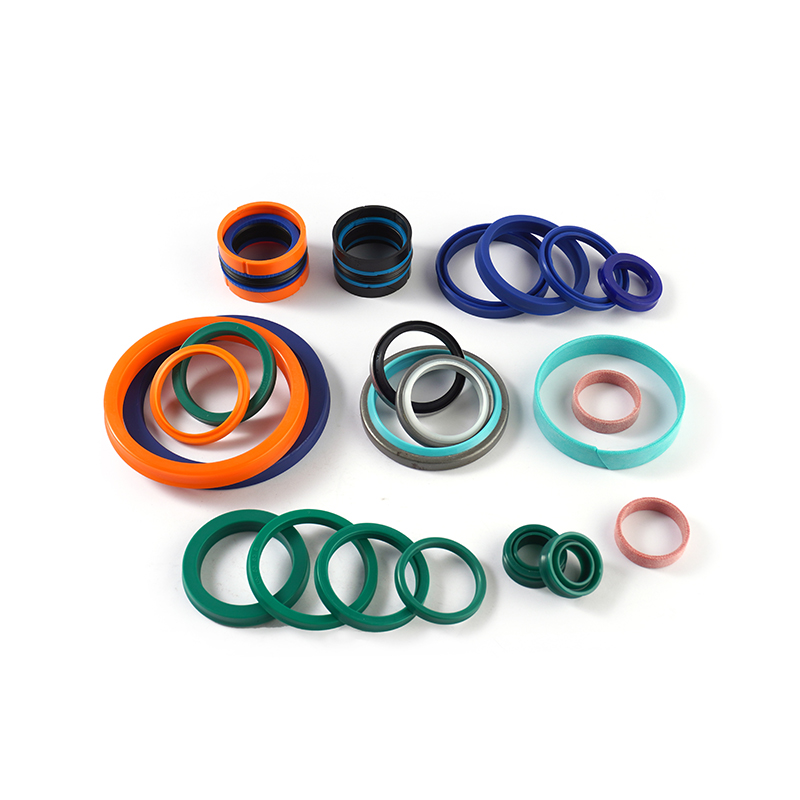
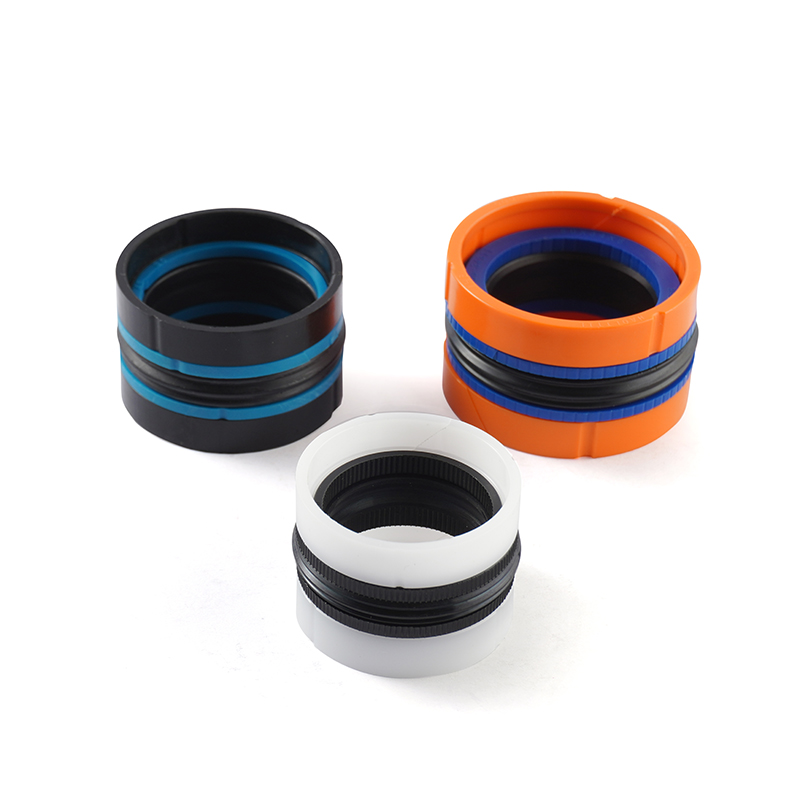
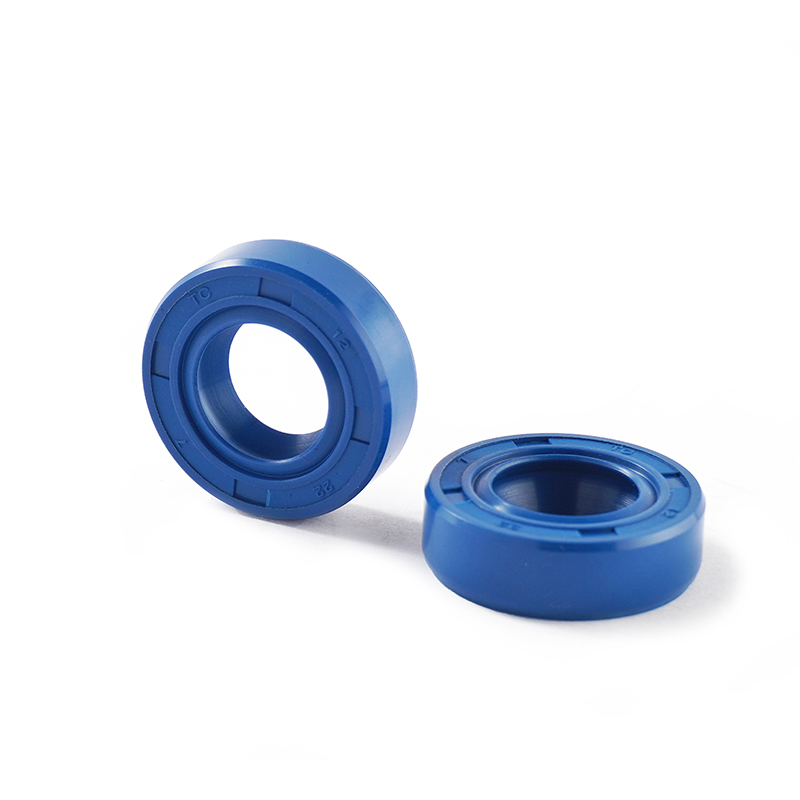
Rubber bushings are an integral part of many industrial and technical systems. However, over time they are subject to wear and tear and can have a negative impact on equipment performance. Replacing the rubber bushings is an important step in keeping your system running smoothly and improving its efficiency. In this article we will look at how replacing rubber bushings can lead to improved system efficiency.
Improved efficiency with replacement rubber bushings
Replacing rubber bushings has a number of benefits that help improve system performance. Firstly, the new bushings provide more secure fastening and reduce play in the connection between system elements. This improves the accuracy and stability of the equipment, which is especially important under high loads.
Secondly, replacing rubber bushings eliminates wear and damage that can occur during long-term use. Worn bushings can cause shaking, vibration and noise, which can negatively affect system performance and can lead to additional failures. Replacing rubber bushings avoids such problems and ensures smoother and quieter operation of the system.
Finally, the new rubber bushings offer improved performance such as wear resistance, flexibility and shock absorption. This allows the system to better adapt to different operating conditions and provide more efficient operation in different modes. Replacing rubber bushings is an important part of system maintenance and helps reduce the cost of repairs and replacement of other parts.
In conclusion, replacing rubber bushings is an essential part of maintaining and improving system efficiency. It eliminates wear and damage, provides a more secure fit and improves equipment performance. Replacing rubber bushings helps prevent additional damage and reduce repair costs. When choosing rubber bushings, you must consider the requirements of the system and select quality materials to ensure maximum system performance.